
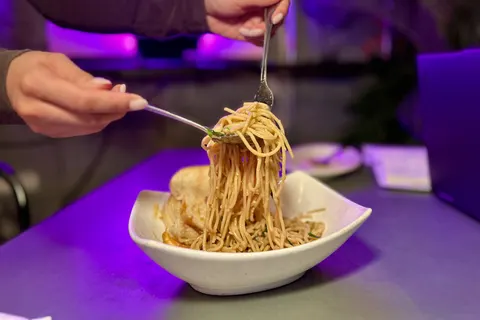
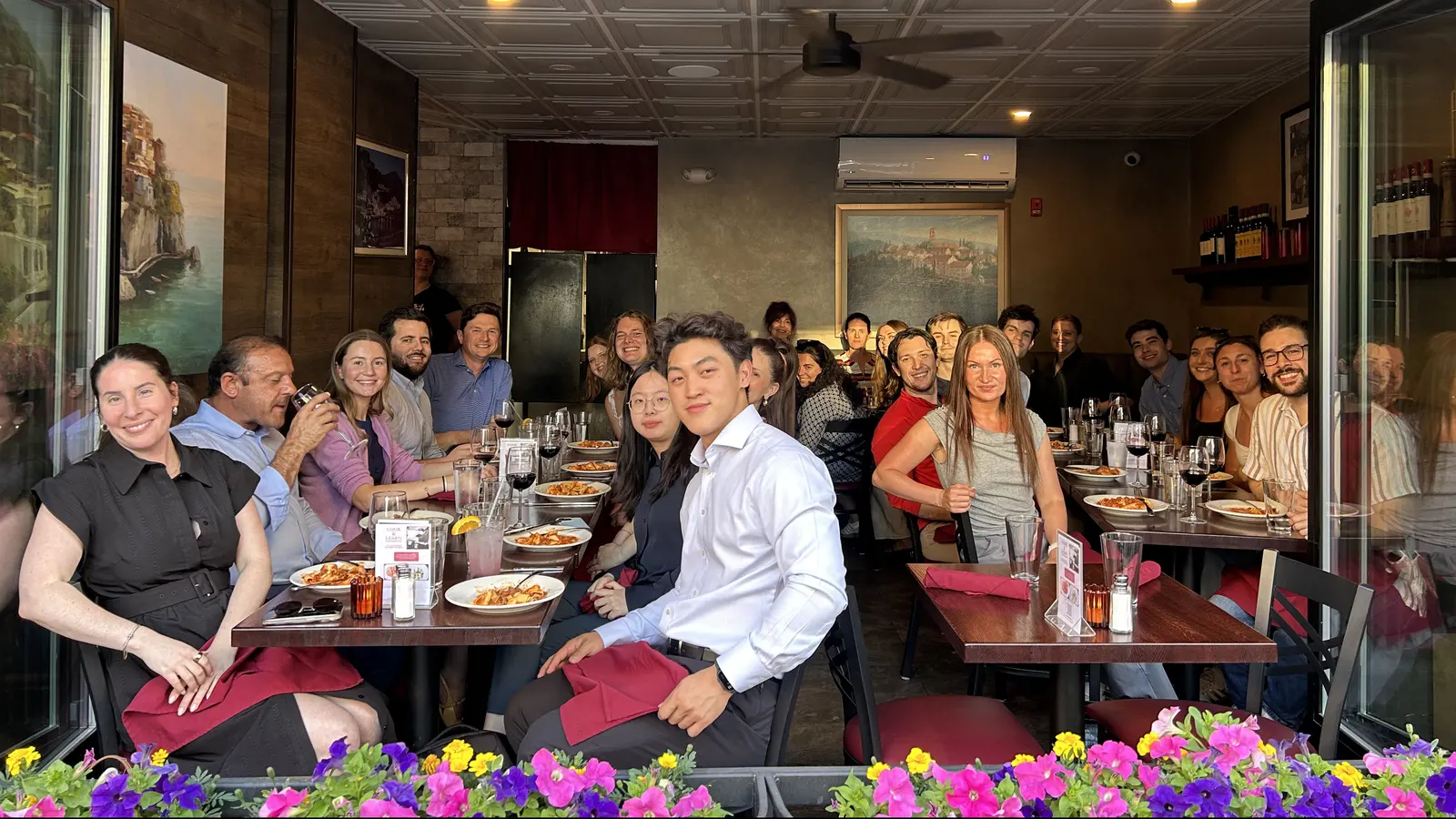
In Italy, a meal is about so much more than what’s on the plate. It’s about slowing down, gathering around the table, enjoying good conversation, and allowing each course to have its moment. What a concept…right?! Well at Bites of Boston Food Tours we wholeheartedly embrace that same philosophy so come and be our guest!
Food is meant to be shared and enjoyed rather than rushed.
If you’ve ever wondered why an Italian menu is divided into so many sections, and why in the world the pasta is called “Primi” while the meats are listed afterwards and called “Secondi” there’s a reason… actually, multiple. A traditional Italian meal often follows a progression of courses, each with its own purpose, history, and place in the dining experience. From a pre-dinner aperitivo to a sweet finish, the experience is designed to be savored (and well-digested!).
And there’s no better place to appreciate this approach to dining than Boston’s North End, a neighborhood where Italian-American culture thrives and food traditions remain an important part of the local experience.
First Things First: The Aperitivo
Before the meal even begins, there’s the aperitivo!
The word aperitivo comes from the Latin aperire, meaning “to open.” This pre-dinner ritual is designed to stimulate the appetite and ease you into the evening. More than just a drink, aperitivo is a beloved part of Italian culture, a social tradition that marks the transition from the workday to the pleasure of gathering around the table. Think of it as Italy’s version of happy hour, when friends come together over a light drink, a few small bites, and good conversation.
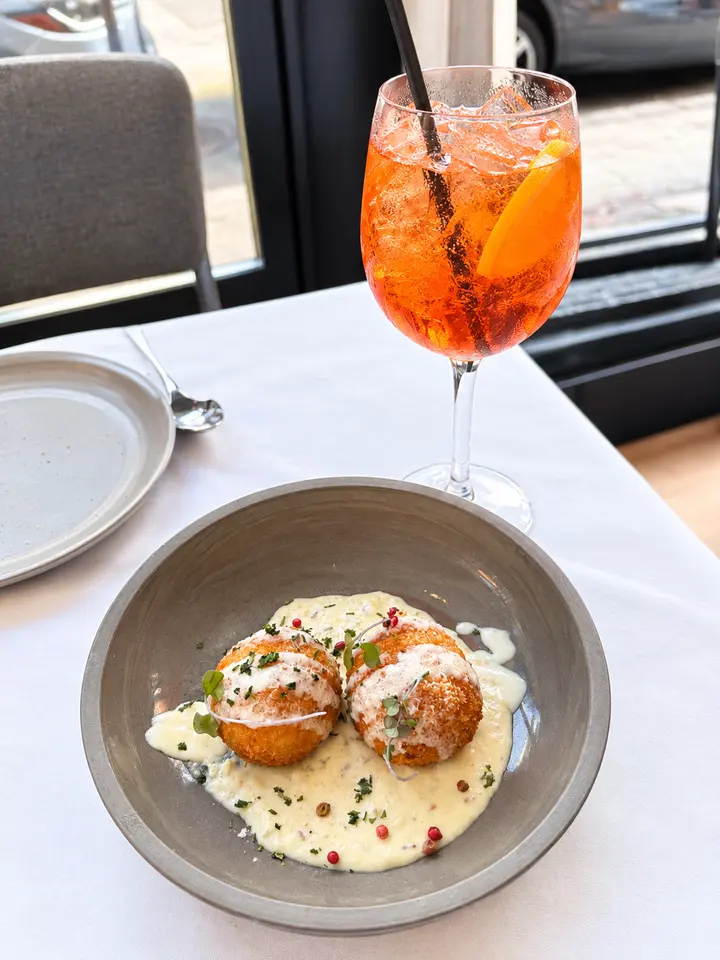
Aperitivo drinks often feature something bubbly and bittersweet, such as a glass of prosecco, a Negroni, or a refreshing spritz. One of the most recognizable (and our preference) is the Aperol Spritz, made with three parts prosecco, two parts Aperol, and one part soda water, served over ice. With its bright orange color and bittersweet citrus flavor, it’s the perfect way to set the tone for the meal ahead.
The point isn’t simply to have a drink. It’s to create a little breathing room between the day’s responsibilities and the pleasure of sitting down to a meal.
Antipasti: A Taste of What’s to Come
Next comes antipasto, or antipasti in the plural.
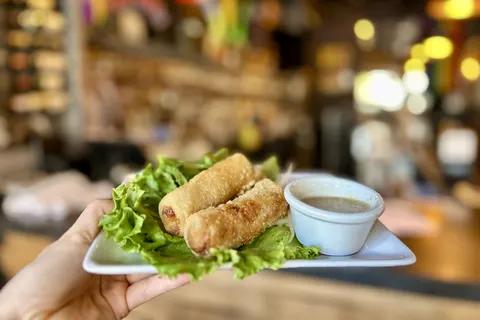
Literally meaning “before the meal,” antipasti are the opening bites that set the tone for the courses ahead. Depending on the region and occasion, these might include cured meats, cheeses, marinated vegetables, olives, bruschetta, arancini, or other small plates.
Antipasti are meant to awaken the appetite and begin the dining experience, rather than satisfy it entirely. They encourage everyone at the table to sample, share, and settle into the rhythm of the meal.
It’s also the first reminder that Italian dining is often a communal experience. Food brings people together, and the opening course gives everyone a reason to linger a little longer.
Primi: The Pasta Course
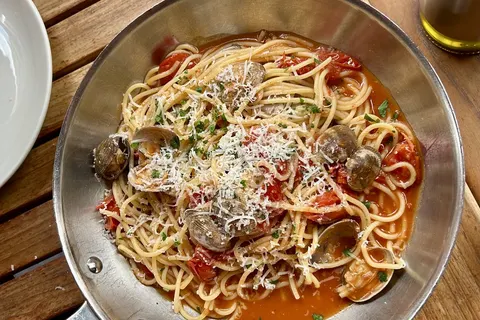
For many of us, especially in American culture, pasta is the main event. We don’t know about you, but for a while we were confused as to why it’s listed on Italian menus separate from the main courses. Because, isn’t pasta the main course?? Actually, in a traditional Italian meal, it often has its own dedicated place: il primo, or the first course.
Primi commonly include pasta, risotto, gnocchi, or soup. Pasta is especially beloved, with shapes, sauces, and preparations varying throughout Italy. A simple pasta dish can be just as celebrated as a more elaborate one, depending on the ingredients and regional traditions behind it.
So why does pasta typically come before the meat or fish course? Part of the answer lies in history.
For generations, meat was relatively expensive and often reserved for special occasions, while pasta and other grains provided an affordable, filling foundation for everyday meals. Serving pasta or risotto first helped satisfy hunger with accessible ingredients before smaller portions of meat or fish followed. What made practical sense also became an enduring part of Italy’s culinary tradition.
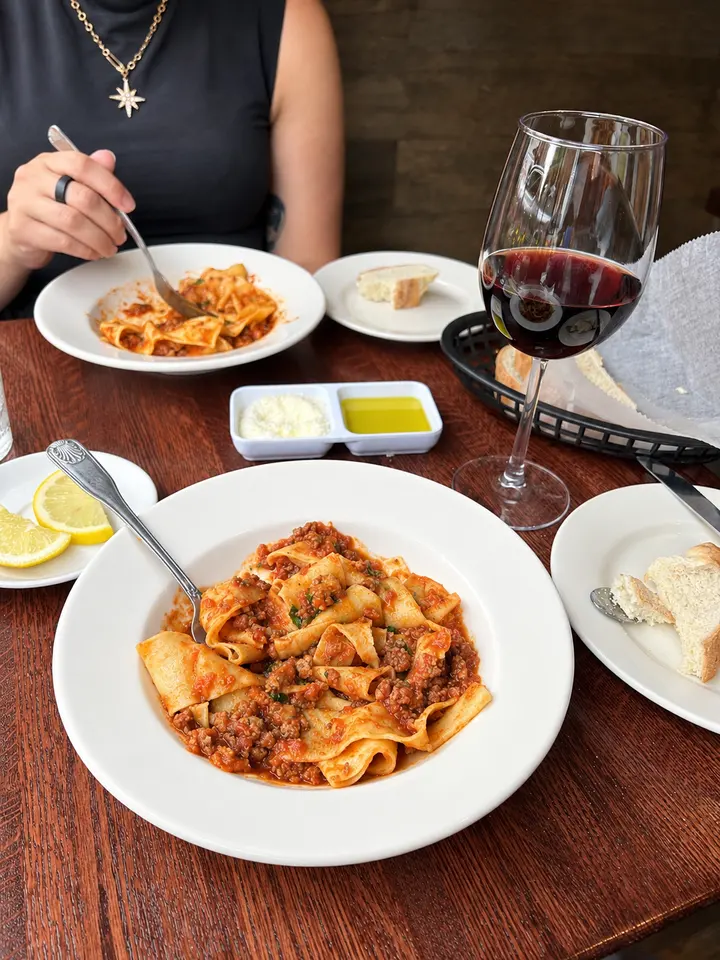
There’s another philosophy behind this progression: each dish deserves its own moment. Rather than combining pasta, meat, and vegetables on one plate, traditional Italian dining often gives each component a separate course. This allows diners to appreciate the texture of the pasta, the balance of its sauce, and the flavors of its ingredients without competing elements distracting from the dish.
There’s also a fascinating historical connection between the order of an Italian meal and the way people once understood digestion. Influenced by ancient Greek and Roman medicine, particularly the teachings of Galen, traditional dietary theories suggested that foods should be eaten in a particular sequence to help the body process a meal. Lighter foods and grains were often thought to prepare the stomach before heavier, richer dishes followed.
These beliefs helped shape centuries of European dining customs, including the progression from pasta or risotto to meat or fish. While modern nutrition doesn’t establish that this particular order necessarily improves digestion, the tradition reflects an enduring idea: a meal should unfold gradually, giving diners time to enjoy each course rather than consuming everything at once.
Because the meal continues beyond this point, portions may be more modest than what you’d expect from a typical American entrée. The idea isn’t to rush through a large plate of food, but to savor one thoughtfully prepared dish before moving on to the next.
And if you’ve ever wished you could spend an entire evening exploring Italian food one plate at a time, you can join us for our Private North End Dinner Stroll!
Secondi: The Main Course
After the primi comes il secondo, the second course.
This is traditionally the main protein course, often featuring meat or fish. Depending on the region and meal, you might find roasted meats, braised dishes, grilled fish, or other preparations that showcase the ingredients and cooking traditions of the area.
Historically, serving the protein after the pasta also made practical sense. When meat was a more expensive luxury, a satisfying first course of pasta or risotto meant that a smaller portion of protein could complete the meal. Over time, this practical arrangement became part of the traditional structure of Italian dining.
Vegetable dishes, potatoes, and other accompaniments are often served separately as contorni, rather than automatically arriving on the same plate as the secondo. This isn’t an absolute rule in every Italian household or restaurant, but it reflects a broader appreciation for keeping flavors distinct and allowing individual ingredients to shine.
The progression from antipasti to primi to secondi gives each part of the meal its own identity. Instead of having everything arrive at once, diners have time to appreciate each dish, enjoy the transition between flavors, and connect over the experience as it unfolds.
It’s a reminder that Italian dining isn’t just about what you eat, but how you experience it.
Dolce: Something Sweet to Finish
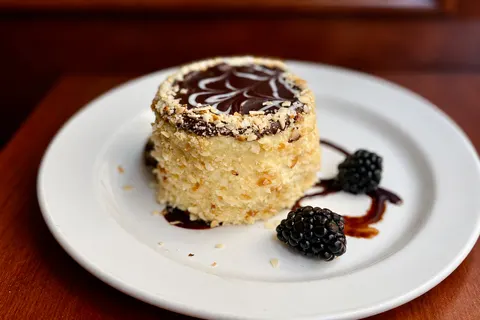
Of course, no Italian meal feels quite complete without dolce, meaning dessert.
Dolci range from regional pastries and cakes to gelato, fruit, and other sweet treats such as cannoli. The choice often depends on the occasion, the region, and what sounds good after a satisfying meal.
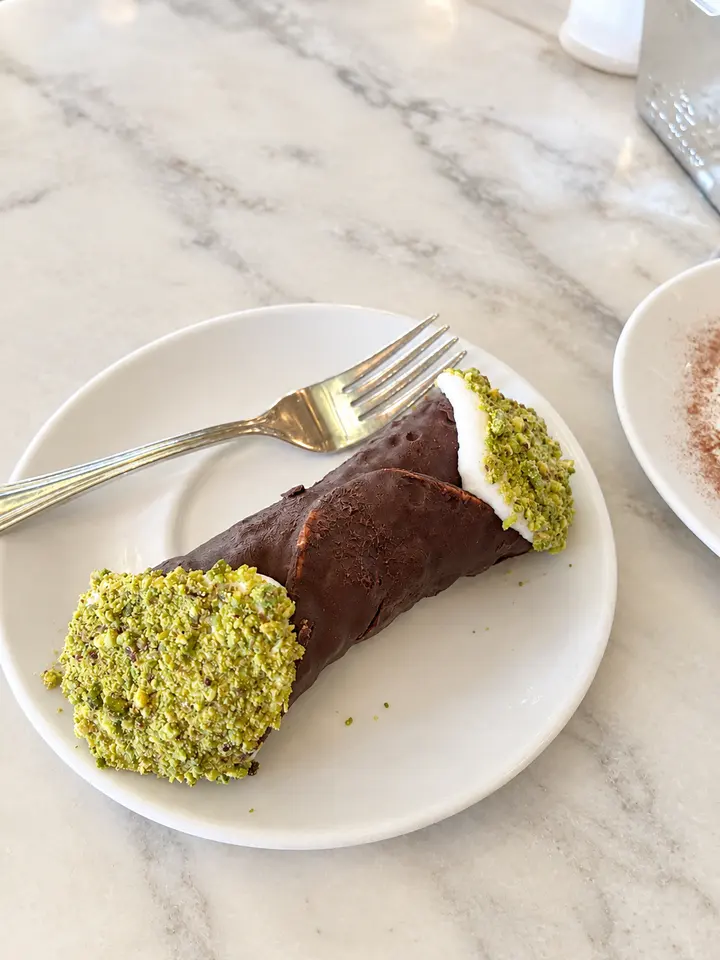
Dessert also provides a natural opportunity to slow down one last time. There’s no need to rush away from the table when the best part of the evening may be the conversation that continues over one final bite.
Coffee, particularly espresso, is another beloved part of the end-of-meal ritual. And if you want an insider’s tip, you can add a scoop of vanilla ice cream to your espresso to make it an affogato!
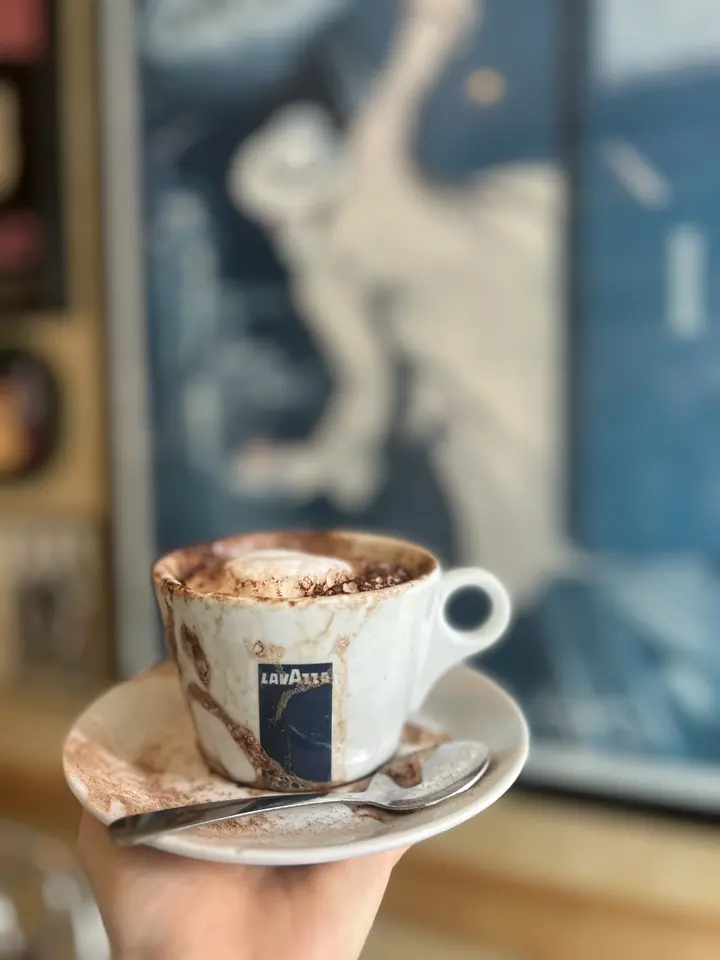
And for those who enjoy an after-dinner drink, a digestivo such as limoncello, amaro, or grappa may follow. Unlike an aperitivo, which precedes the meal, a digestivo is traditionally enjoyed afterward.
From the first sip to the final sweet bite, every stage offers another opportunity to enjoy the company, conversation, and food that make gathering around the table so special.
More Than a Meal: Why the Italian Dining Tradition Endures
The beauty of a progressive Italian meal isn’t simply the number of courses. It’s the way the structure encourages people to slow down.
Meals become occasions rather than obligations.
Of course, not every Italian meal follows this exact sequence. Everyday dinners may be much simpler, and traditions vary across regions and families. But the underlying appreciation for food, hospitality, and time spent together remains a meaningful part of Italian dining culture.
It’s a philosophy that feels especially at home in Boston’s North End.
Experience the Tradition on a Private North End Dinner Stroll
At Bites of Boston, we believe some of the best experiences happen when you give yourself time to enjoy the journey.
Our Private North End Dinner Stroll takes inspiration from the spirit of a traditional Italian meal, bringing groups together to enjoy a progressive dining experience across multiple stops in Boston’s historic North End.
Rather than sitting down for one conventional dinner, your group explores the neighborhood while enjoying a thoughtfully paced progression of food, from opening bites to a more substantial pasta course and a sweet finish.
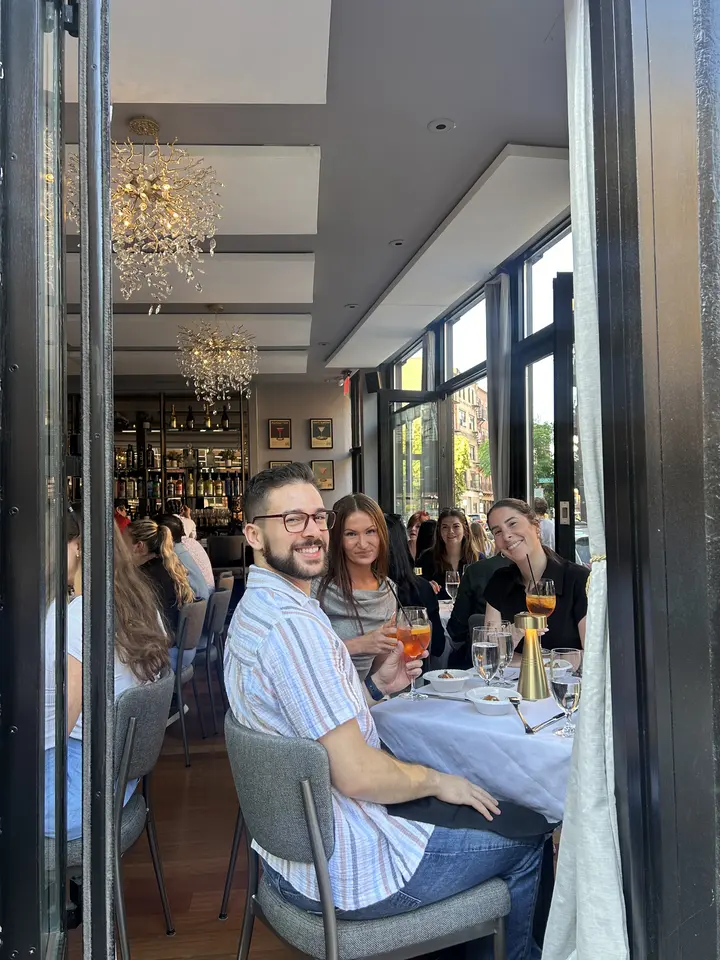
It’s an opportunity to experience the neighborhood’s food culture, discover beloved local establishments, and enjoy an evening that feels less like a scheduled event and more like a memorable night out.
Whether you’re organizing a corporate dinner, hosting clients, celebrating a milestone, or simply gathering friends and family, a private food experience offers a welcoming way to connect over great food and conversation.
Planning a Private Group Experience in Boston?
Let Bites of Boston help you bring people together around the table. Our Private North End Dinner Stroll is designed for corporate groups, private parties, and special occasions looking for a distinctive way to experience one of Boston’s most beloved neighborhoods.
Reach out to learn more about planning your private North End experience with us.
